
Dog beaches in Denmark
A dog beach is a beach where dogs may run off-lead all year round. In Denmark, dogs must be on a lead on all beaches from 1 April to 30 September - but this rule does not apply on official dog beaches. Here you will find all 11 of Denmark's dog beaches in one place.


Find 11 dog beaches in denmark near you
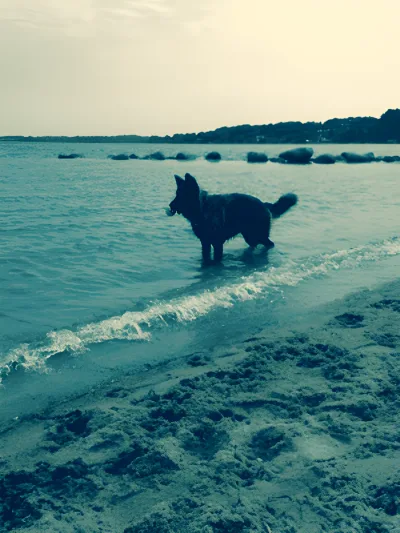
Bahamas
Aabenraa · Aabenraa Municipality
Egehovedskoven Hundeskov ved Marstal
Marstal · Ærø Municipality

Feddet ved Brydegård
Haarby · Assens Municipality
Fritløbsområde nord for Amager Strand
Copenhagen · Copenhagen Municipality
Frølunde Fed Strand - hundestrand
Korsør · Slagelse Municipality
Hornbæk Strand - Hundestrand
Hornbæk · Helsingør Municipality
Hundige Hundestrand
Greve · Greve Municipality
Kastrup Strandpark fritløbsområde
Kastrup · Tårnby Municipality
Lakolk Strand
Rømø · Tønder Municipality
Smidstrup Strand - Hundestrand
Gilleleje · Gribskov Municipality
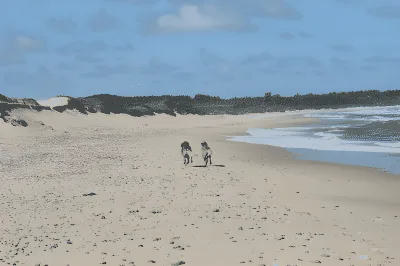
Vigsø Rallejer Hundestrand
Hanstholm · Thisted Municipality
Rules for dogs on the beach
When must your dog be on a lead?
From 1 April to 30 September, dogs must be on a lead on all Danish beaches under the Nature Protection Act (naturbeskyttelsesloven). The rule protects breeding coastal birds and is there out of consideration for bathers.
From 1 October to 31 March, dogs may run off-lead on most beaches - but always look out for local signs, as the rules can vary.
What does breaking the rules cost?
If you break the lead rule, you can be fined DKK 2,000 - and in some cases up to DKK 5,000. Off-lead dogs can be reported to the police by Naturstyrelsen (the Danish Nature Agency) or other people using the countryside. The rules apply to all dogs regardless of breed, size and temperament - and they also apply where no signs have been put up.
Blue Flag beaches
On Blue Flag beaches, dogs may not come closer than 200 metres to the beach in the summer half of the year. There are about 200 Blue Flag beaches in Denmark.
Why must dogs be on a lead on the beach?
The lead rule protects two groups:
Birdlife: From April, oystercatchers, ringed plovers, avocets and terns nest along the Danish coasts. An off-lead dog can get too close to a nest before its owner notices - and the brood can be lost.
Bathers and children: A dog on a lead makes everyone on the beach feel safe - including people who are not used to dogs.
Good beach manners with your dog
- Walk along the water's edge - avoid dunes and tall grass where nests may be hidden
- Always look out for local signs
- Respect signs about breeding birds
- Always pick up after your dog
- Remember that you must have full control of your dog - even on a dog beach, your dog must come when called